Understanding Roll-On and Spray Deodorant Packaging
Roll-on deodorants use a liquid formula with a ball applicator. Spray deodorants rely on aerosol technology to deliver products through a pressurized mist.
Defining Roll-On Deodorant
Roll-on deodorant comes in a liquid form that you apply directly to your skin. The container has a rotating ball at the top that rolls the product onto your underarms.
The ball applicator sits in the neck of the bottle. When you roll it across your skin, it picks up the liquid deodorant and spreads it evenly.
Key features of roll-on packaging:
- Plastic or glass bottle container
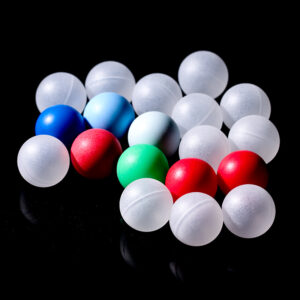
- Rolling ball applicator (usually plastic or metal)
- Liquid deodorant formula
- Cap or cover to protect the applicator
The bottle design keeps the product sealed until you use it. This prevents the deodorant from drying out or getting contaminated.
Most roll-on containers hold between 1.5 to 3 ounces of product. The compact size makes them easy to carry in your bag or travel kit.
Defining Spray Deodorant
Spray deodorant uses aerosol technology to deliver the product. You press a button or nozzle to release a fine mist of deodorant onto your skin.
These deodorants come in pressurized aerosol cans. The pressure inside the can pushes the product through a small opening when you activate the spray mechanism.
Components of spray deodorant packaging:
- Metal aerosol can (usually aluminum)
- Spray nozzle or actuator
- Pressurized formula with propellants
- Protective cap
The propellants help create the spray pattern and dry quickly on your skin.
Spray cans typically hold 3 to 6 ounces of product.
Common Packaging Materials
Roll-on materials:
- Plastic bottles: Lightweight and shatter-resistant
- Glass containers: More premium feel but heavier
- Plastic balls: Most common for the applicator
- Metal balls: Sometimes used for smoother rolling
Spray deodorant materials:
- Aluminum cans: Standard for aerosol products
- Plastic components: Used for caps and actuators
- Metal springs: Inside the spray mechanism
The packaging affects how long your deodorant lasts and how well it works. Roll-on containers protect the liquid from air exposure better than sprays.
Application Methods and User Experience
How Roll-Ons Are Applied
Roll-on deodorant uses a simple ball applicator that glides directly on your skin. You twist off the cap and roll the ball across your underarm area in smooth, even strokes.
The liquid formula comes out through small holes around the ball. This creates direct contact between the product and your skin.
Research shows this method delivers more product to where you need it.
How Sprays Are Used
Spray deodorants work by releasing a fine mist that you direct toward your underarms. You hold the can about 6 inches away from your body and press the nozzle for 2-3 seconds.
However, studies found that only 11.4% of spray deodorant actually reaches your skin.
The rest goes into the air around you.
Ease of Use and Portability
Roll-on advantages:
- No risk of inhaling product
- Works well in small spaces
- Less messy application
- Better for travel (no pressure restrictions)
Roll-ons are easier to use in tight spaces like small bathrooms or gym locker rooms. You don’t need to worry about the spray going everywhere.
They’re also better for air travel since they don’t have pressure restrictions.
The cooling effect feels refreshing, especially on hot days. However, they can make noise when you use them, which might be awkward in quiet spaces.
Both types fit easily in bags or gym lockers. Roll-ons are less likely to leak, while sprays can sometimes malfunction if the nozzle gets clogged.
Effectiveness and Performance Factors
Odor Control Capabilities
Roll-on deodorants usually provide stronger odor control than spray versions. The liquid formula in roll-ons contains higher concentrations of active ingredients that fight bacteria.
When you apply roll-on deodorant, it goes directly onto your skin. This creates a better barrier against odor-causing bacteria.
The formula stays in place longer because it doesn’t evaporate like spray does. Spray deodorants work well for light odor control.
Some of the product gets lost in the air when you spray it. This means less active ingredient reaches your skin.
Bacteria-fighting ingredients work better in roll-on formulas. The wet application helps these ingredients stick to your skin.
Your activity level matters too. If you sweat heavily or exercise often, roll-on deodorants typically keep you fresher longer than sprays.
Sweat and Antiperspirant Performance
Aluminum-based compounds are the key ingredients that stop sweat. Roll-on antiperspirants usually contain more of these aluminum compounds than spray versions.
The thick liquid in roll-ons delivers aluminum directly to your sweat ducts. This creates better plugs that block sweat from reaching the surface.
Spray antiperspirants have lower concentrations because the formula needs to be thin enough to spray. Roll-on formulas stay wet on your skin longer.
This gives the aluminum compounds more time to work into your sweat ducts. The result is better sweat protection that lasts longer.
You’ll get the best results from roll-on antiperspirants when you apply them to completely dry skin at night. The aluminum needs time to form effective blocks in your sweat ducts.
Spray antiperspirants work faster but may not stop heavy sweating as well. They’re better for people who sweat lightly or want quick application.
Ingredients and Skin Health
The ingredients in roll-on and spray deodorants differ significantly and can affect your skin in various ways. Roll-ons often contain gentler formulations, while sprays typically include alcohol and propellants that may cause irritation.
Active Ingredients in Roll-Ons
Roll-on deodorants use a liquid formula that applies directly to your skin through a rotating ball. The active ingredients in most roll-ons include aluminum salts like aluminum chlorohydrate for antiperspirant effects.
Many roll-ons contain natural ingredients such as:
- Baking soda for odor control
- Essential oils for fragrance
- Plant extracts for skin conditioning
You’ll find that roll-ons often have fewer harsh chemicals than sprays. However, some still include synthetic fragrances and parabens that can irritate sensitive skin.
The liquid base in roll-ons allows for better ingredient absorption. This means active ingredients work more effectively on your skin.
Composition of Sprays
Spray deodorants contain aluminum chlorohydrate and aluminum-zirconium tetrachlorohydrex gly as their main active ingredients. These aluminum compounds help block sweat ducts in antiperspirants.
Sprays also include:
- Alcohol as a base and quick-drying agent
- Propellants to create the spray action
- Synthetic fragrances for scent
- Preservatives to extend shelf life
The alcohol in sprays can dry out your skin with regular use. Propellants may cause respiratory irritation if you breathe them in during application.
Sprays deliver ingredients in fine particles that don’t penetrate skin as deeply as roll-ons. This can make them less effective for heavy sweating.
Sensitive Skin Considerations
If you have sensitive skin, roll-ons are generally the better choice. They contain fewer irritating ingredients and don’t include alcohol or propellants.
Common irritants to avoid:
- High alcohol content
- Strong synthetic fragrances
- Certain aluminum compounds
- Parabens and sulfates
Fragrance is one of the top causes of skin irritation in deodorants. Both roll-ons and sprays can contain synthetic fragrances, but you can find fragrance-free options more easily in roll-on formulas.
People with sensitive skin should look for gentle, alcohol-free formulas. Natural deodorants without aluminum are available in both formats if you want to avoid antiperspirant ingredients entirely.
Test any new deodorant on a small skin area first. This helps you identify potential skin irritation before applying it to your entire underarm area.
Environmental Impact of Packaging Types
Roll-on deodorants typically have a smaller environmental footprint due to recyclable containers and fewer harmful chemicals. Aerosol sprays create more environmental concerns through propellants and manufacturing processes that require extra energy.
Sustainability of Roll-On Packaging
Roll-on deodorant containers are usually made from recyclable materials like plastic or glass.
Most brands design these bottles to be easily processed in standard recycling facilities.
The manufacturing process for roll-on packaging requires less energy than aerosol containers.
You don’t need pressurized systems or special equipment to fill these bottles.
Key sustainability benefits include:
- Simple plastic or glass construction
- Lower energy use during production
- Easy to recycle in most programs
- No propellant gases needed
Many companies now use post-consumer recycled (PCR) materials for roll-on bottles.
This reduces the need for new plastic production and helps close the recycling loop.
The compact design of roll-on containers also means less packaging material overall.
You get more product per unit of packaging compared to aerosol cans.
Environmental Footprint of Aerosols
Aerosol deodorant cans have a larger environmental impact throughout their lifecycle.
The manufacturing process requires more energy because of the pressurized container design.
Propellants in aerosol sprays contribute to environmental concerns.
These gases help push the product out of the can but add to air pollution when released.
Modern aerosols use hydrocarbons or compressed gases as propellants.
While safer than older options, they still contribute to volatile organic compounds (VOCs) in the atmosphere.
The aluminum or steel cans used for aerosols require energy-intensive mining and processing.
Even though these metals can be recycled, the initial production creates a bigger carbon footprint.
Transportation costs are higher for aerosol products because of their size and weight.
You’re shipping more packaging material relative to the actual deodorant inside.
Impact on the Ozone Layer
CFCs (chlorofluorocarbons) were once common propellants in aerosol deodorants.
These chemicals caused serious damage to the ozone layer in Earth’s upper atmosphere.
Most countries banned CFCs in aerosol products by the 1980s after scientists discovered the ozone hole.
This was part of the Montreal Protocol, an international agreement to protect the ozone layer.
Today’s aerosol deodorant products use different propellants that don’t directly harm the ozone layer.
Common alternatives include butane, propane, and isobutane.
However, some modern propellants are greenhouse gases that contribute to climate change.
While they don’t damage the ozone layer, they can trap heat in the atmosphere.
Roll-on deodorants avoid this issue completely since they don’t use any aerosol spray technology.
You eliminate the risk of releasing harmful gases into the atmosphere during use.
Frequently Asked Questions
What are the pros and cons of roll-on versus spray deodorant?
Roll-on deodorants offer precise application and better coverage of specific areas.
You can control exactly where the product goes.
They typically last longer since you use less product per application.
Roll-ons take longer to dry on your skin.
You need to wait before putting on clothes to avoid staining.
Spray deodorants dry quickly after application.
You can get dressed right away without waiting.
They cover larger areas faster and feel less wet on your skin.
Sprays can waste more product since some goes into the air instead of on your skin.
They may not provide as even coverage as roll-ons.
Which deodorant type is more effective for people with excessive sweating?
Roll-on deodorants work better for heavy sweating.
The liquid formula stays on your skin longer and creates better contact with sweat glands.
You can apply roll-ons more precisely to problem areas.
This targeted application helps block sweat more effectively than sprays.
Spray deodorants may not provide enough coverage for excessive sweating.
The mist can be too light for people who need stronger protection.
How do roll-on and spray deodorant impact the environment differently?
Spray deodorants use aerosol cans that require special recycling processes.
Many contain propellants that can harm the environment if not disposed of properly.
Roll-on containers are usually easier to recycle.
The plastic bottles break down more simply in recycling facilities.
Spray cans release chemicals into the air during use.
Roll-ons keep all the product contained until it touches your skin.
Both types can come in eco-friendly packaging options.
Look for recyclable materials and refillable containers.
Is there a difference in the longevity of protection between spray and roll-on deodorants?
Roll-on deodorants typically provide longer-lasting protection.
The liquid formula creates better contact with your skin and stays in place longer.
The precise application of roll-ons means more active ingredients reach the areas where you need protection.
This leads to better all-day coverage.
Spray deodorants may need reapplication more often.
Some of the product doesn’t reach your skin during application, reducing effectiveness over time.
Can roll-on deodorants cause any disadvantages when compared to sprays?
Roll-on deodorants take longer to dry completely.
You might feel sticky or wet for a few minutes after application.
The rolling ball can collect bacteria if not cleaned regularly.
This could lead to skin irritation or contamination of the product.
Roll-ons require direct skin contact, which some people find uncomfortable.
The wet feeling bothers certain users more than spray application.
You need to wait before getting dressed to avoid white marks on clothing.
Dark shirts show these stains more easily.
What considerations should be made when packing deodorants for travel?
Roll-on deodorants follow liquid rules for air travel. You must pack containers under 3.4 ounces in your carry-on bag.
Spray deodorants count as aerosols and face stricter airline rules.
Check your airline’s specific policies before packing sprays in carry-on luggage.
Roll-on containers are less likely to leak during travel. The rolling ball mechanism seals better than spray nozzles.
Both types should go in sealed plastic bags to prevent spills.
Pack them upright when possible to avoid leaking.
Choose smaller travel sizes to meet airline requirements.
Many brands offer mini versions of both roll-on and spray options.